
 October 1st, 2026
  Гузель Аминева
 Dear colleagues, students and guests!
We invite you to take part in a round table on current issues in the development of technical and vocational education and training (TVET) in today’s world. Amid rapid change and global challenges, understanding the role of education, its priorities, and the ways it can be supported and developed has become critical for specialists across a wide range of fields.
Our round table will provide a platform for open dialogue and an exchange of views among representatives of the humanities and social sciences, including sociologists, economists, lawyers, and managers.
We aim not only to assess the current state of education but also to jointly outline its future development.
Objectives of the round table:
- Identify the central role of UNEVOC in education for contemporary society and its influence on different areas of life.
- Analyze current policies for developing a skilled workforce, including their strengths and weaknesses.
- Identify the main challenges facing education today.
- Discuss major achievements and current challenges in workforce training.
- Set out prospects for the development of education and science, taking into account the needs of the humanities and society as a whole.
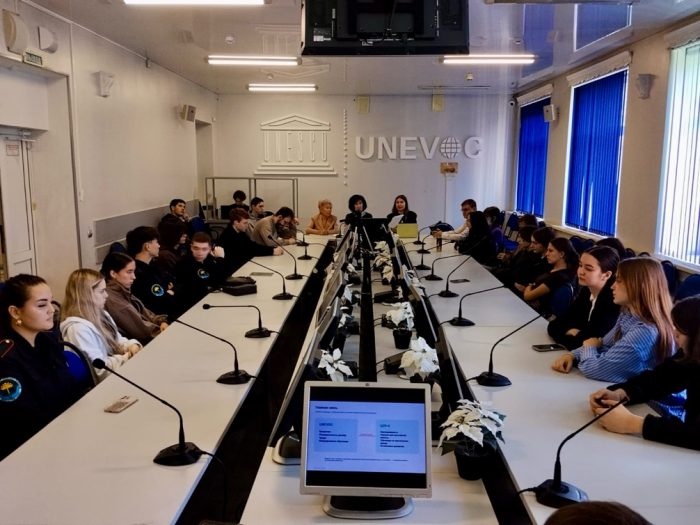
Main topics for discussion:
- The role of education and science in the 21st century in preparing a skilled workforce:
- Science and education as drivers of social progress and innovation.
- The role of the humanities in understanding and addressing social, economic, and legal issues.
- Science and research policy:
- Government support for education: priorities, funding mechanisms, and grant systems.
- International cooperation in education and culture.
- The role of universities and UNEVOC Centres in shaping education policy.
- Challenges facing contemporary science:
- “Brain drain” and attracting early-career researchers.
- The commercialization of education and its impact on training the workforce the economy needs.
- Information overload and ways to address it.
- Achievements and challenges:
- Key breakthroughs in recent years and their practical applications.
- Specific achievements and challenges in sociology, economics, law, and management.
- Interdisciplinary approaches and their potential for workforce training.
- Prospects for education and workforce training:
- The future of education in the age of digitalization and artificial intelligence.
- Science as a tool for advancing sustainable development and addressing global challenges.
- Ways to make current innovations more effective in workforce training as society develops rapidly.
- Developing a new generation of specialists: education, motivation, and career paths.
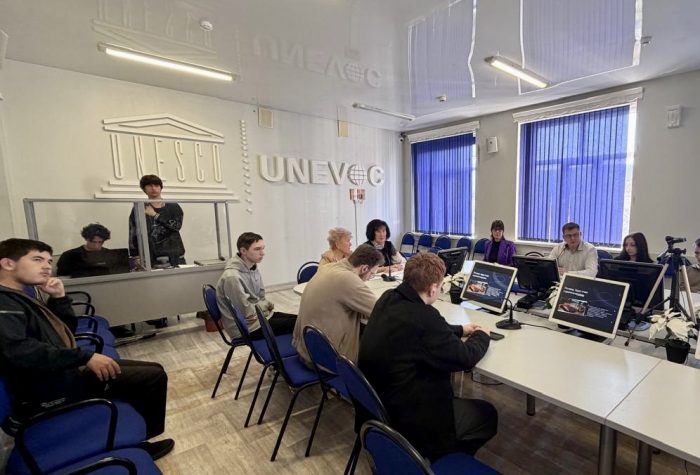
Event format:
The round table will feature open discussion, an exchange of views, optional short presentations, and discussion of the topics listed.
We aim to create an open and constructive atmosphere in which every participant can contribute to exploring these important issues.
Who is invited:
- Faculty and researchers at universities in Russia and the CIS.
- Postgraduate students and senior undergraduate students.
- Representatives of research and public organizations.
- Anyone interested in the development of science and its role in the modern world.
We believe the round table will be a valuable event for all participants, deepening understanding of the role of education and science and generating new ideas for training the skilled, in-demand workforce our economy needs.
We look forward to welcoming you!
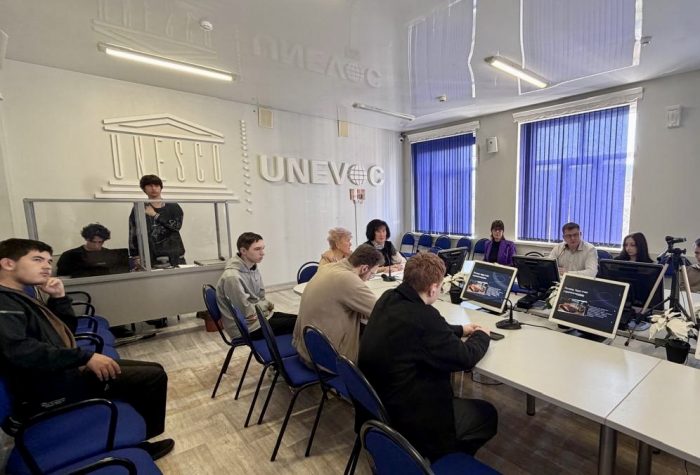
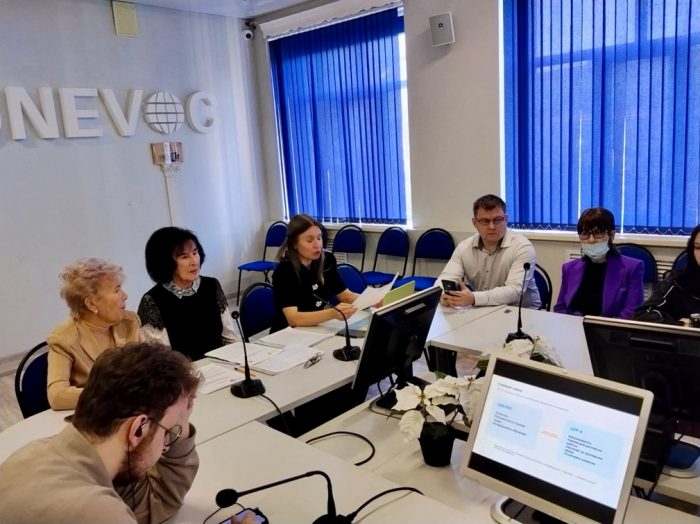
Date and time: September 23, 2026
Venue: BIST, the UNEVOC Centre in the Russian Federation based at BIST, conference room.
For registration and further information, please contact Eleonora Ensovna Nurtdinova at nurtdinova.71@mail.ru.
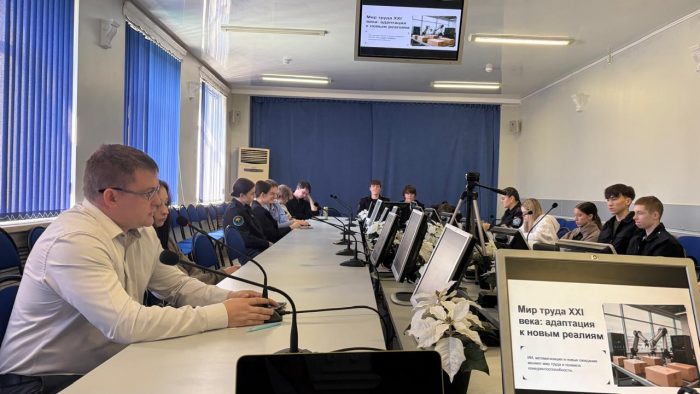
KEY FINDINGS
The presentations and discussion led to the following findings:
1. UNEVOC approaches give educational institutions a practical basis for assessing the quality of vocational training. Key considerations include access to education, alignment of programmes with the labour market, practical skills, and opportunities for lifelong learning. These priorities align with Sustainable Development Goal 4 (SDG 4).
2. Training an in-demand workforce requires regular collaboration between educational institutions and employers. Industry partners can help programmes keep pace with economic change and occupational requirements by contributing to curriculum updates, work placements, and competency assessment.
3. Sustainable development and the green economy are relevant to preparing specialists across sectors. Environmental and resource-efficient solutions should be incorporated into vocational assignments and learning modules in ways suited to each field of study.
4. Digitalization and artificial intelligence create new opportunities for learning and analysis. Their use requires digital literacy, critical evaluation of information, protection of personal data, and academic integrity.
5. An interdisciplinary approach connects workforce training with its social, economic, and legal context. Knowledge of the humanities complements professional skills and helps account for the effects of decisions on workers, organizations, and society.
6. A new generation of specialists depends on high-quality learning, professional motivation, and clear career paths. Mentoring, practical experience, and lifelong learning should support the transition from education to employment and continued professional development.
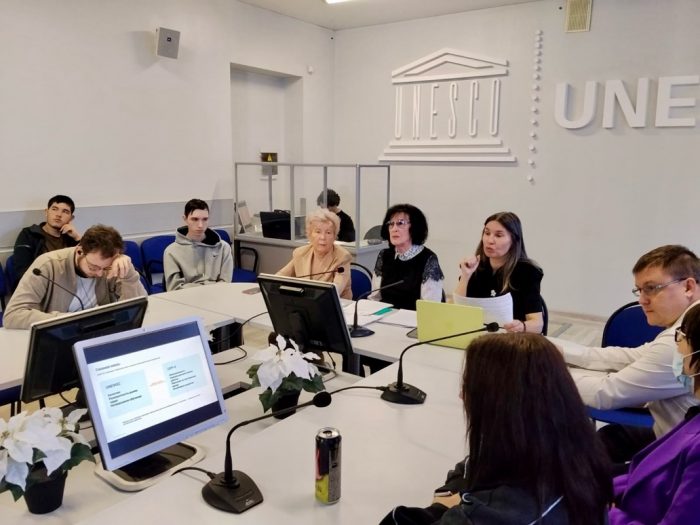
PRACTICAL RECOMMENDATIONS
The UNEVOC Centre based at BIST and other educational institutions are encouraged to take the following steps:
1. Regularly assess educational programmes against UNEVOC criteria and SDG 4: labour-market relevance of competencies, practical training, access to education, education for sustainable development, and graduate support. Use the results to prepare programme update plans.
2. Expand employer involvement in developing and reviewing learning modules, organizing work placements and internships, preparing applied case studies, and assessing students’ professional competencies.
3. Include green economy and sustainable development assignments relevant to students’ future professions, covering resource efficiency, environmental risks, occupational safety, and responsible management.
4. Develop and apply clear rules for using digital tools and artificial intelligence in teaching and research. Address source verification, personal data protection, and academic integrity.
5. Plan faculty development, industry placements, and the exchange of teaching practices so that course content and assessment methods keep pace with changes in professions and technology.
6. Develop mentoring and career guidance for students, involve them in employer projects, and track whether graduates find work in their field during the first year after completing their studies.
7. Consider the needs of students with disabilities and other special educational needs when developing infrastructure, digital resources, and learning materials; expand opportunities for continuing vocational education and adult learning.
8. Continue the work of the UNEVOC Centre’s expert community through interregional seminars, joint research, and the exchange of teaching materials with educational institutions in Russia and the CIS.
INDICATORS FOR EVALUATING RESULTS
Progress on the recommendations can be tracked using annual data: the share of programmes updated with employer involvement; the amount of practical training; the number of modules on sustainable development; the share of faculty who have completed professional development; the availability of accessible and digital materials; graduate employment in their field; and the number of active partnerships and joint projects.
CONCLUSION
The discussion confirmed that high-quality workforce training requires educational programmes to be aligned with the needs of the economy and society. UNEVOC approaches and SDG 4 make it possible to turn this goal into practical action: update programmes with employers, develop practical and green skills, maintain access to education, and assess results using clear indicators. These priorities can guide the future work of the UNEVOC Centre based at BIST and its partners.
 Posted in
